
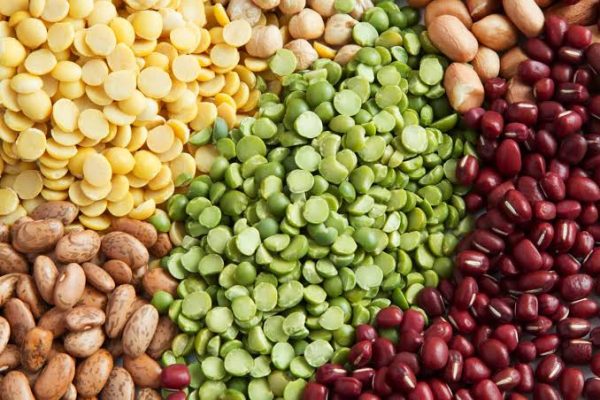
Dry protein fractionation begins before the air classifier. The quality and condition of the pulse feed determine how effectively protein-rich and starch-rich particles can be liberated during fine milling and separated afterward. For peas, chickpeas, lentils, faba beans and other pulses, raw-material preparation is therefore a core part of the process rather than a simple receiving step.
The starting material should be clean and reasonably uniform. Foreign matter, broken kernels and wide variation in moisture can make feeding and milling less stable. Dehulling is often used because hull material may affect both the milling behavior and the composition of the separated fractions. The most suitable preparation route depends on the specific pulse, its initial protein content and the target ingredient.
Fine milling needs to break the internal structure sufficiently to release protein bodies from starch-rich material without creating excessive heat or an uncontrolled amount of very fine dust. The target particle range should be established through trials with the actual raw material. A setting that works for one pea source may not give the same separation performance with another crop, season or variety.
Once the powder enters the air classifier, feed rate and airflow settings influence the split between the finer protein-rich fraction and the coarser starch-rich fraction. The classifier cannot fully correct problems created upstream. Stable raw material, appropriate milling and even pneumatic feeding make it easier to tune the separation and obtain a repeatable result.
Food-grade process design also requires attention to hygienic construction, dust control and safe operation. When raw-material preparation, fine grinding, classification and packing are connected in one controlled flow, producers have a more practical route to consistent pulse-based ingredients. Regular checks of moisture, particle size and fraction composition help verify that the selected operating window remains suitable for the material in use.