
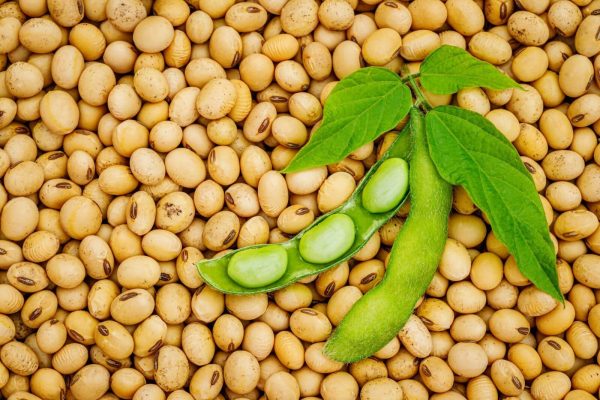
Soy protein is a soybean product made from soybean meal through low-temperature desolventization, resulting in soy protein concentrate, soy protein isolate, and extruded textured soy protein. Currently, the most commonly used soy protein products on the market are soy protein isolate and textured soy protein. Utilizing the excellent functional properties of soy protein, it can be applied to various food systems.
Bionic foods, also known as artificial foods, are the application of biomimetic technology in the food industry. They mimic the shape, flavor, or nutrition of natural foods, making them convenient to eat, nutritious, and inexpensive. Soy protein is a commonly used additive or raw material in bionic foods. Utilizing its excellent functional properties, it can significantly improve the taste of food, increase its elasticity, water retention, and chewiness, while also reducing production costs.
Bionic Marine Foods
Bionic marine foods are a new type of food that uses marine resources as the main raw material and is processed using food processing technology to achieve a flavor, texture, and nutritional value similar to natural marine foods. They are made primarily from low-value fish and shrimp, with the addition of soy protein, egg whites, cheese, seasonings, colorings, and binders, and processed through protein pretreatment, seasoning, and shaping.
Bionic Meat Products
Plant protein is rehydrated, dehydrated, and then shredded. Simultaneously, a certain amount of water, starch, seasonings, spices, flavorings, and colorings are mixed into a homogeneous paste, which is then mixed with the plant protein. The mixture is then processed through shaping, steaming, or frying to create protein-based bionic meat products. Common bionic meat products include bionic ham, bionic sausages, bionic meatballs, and bionic chunks of meat.
Bionic Fermented Foods
Bionic fermented foods refer to biological foods that utilize the metabolic activities of microorganisms to simulate specific biotransformation processes in nature or the human body under artificially controlled conditions. This process involves processing and pretreating food raw materials to create easily absorbed biological foods. In recent years, bionic fermentation methods have been used in the manufacture of pollen foods. Under artificially controlled conditions, lactic acid bacteria isolated and screened from beehives are used to simulate the temperature and humidity within the beehive to ferment and break down the cell walls of pollen, obtaining artificial bee bread.
This product provides a new type of bionic food. Due to its low water content, it helps extend the product’s shelf life.
Bionic Dried Fruit
Bionic dried fruit refers to products made primarily from plant tissue protein, processed through steps such as deodorization, sugaring, flavoring, coloring, drying, and sterilization. Dried fruit produced using this process is sweet, delicious, and nutritious. The development of bionic dried fruit provides a new avenue for the deep processing of soybean protein products.
As a new type of food product, biomimetic foods have broad development prospects. Due to the numerous excellent functional properties of soybean protein, it has become an important raw material in biomimetic food processing. The development of soybean protein biomimetic foods will not only benefit the development and utilization of soybean plant resources in my country, but also serve as a supplement to animal protein, improving the level of protein intake in people’s daily lives.