
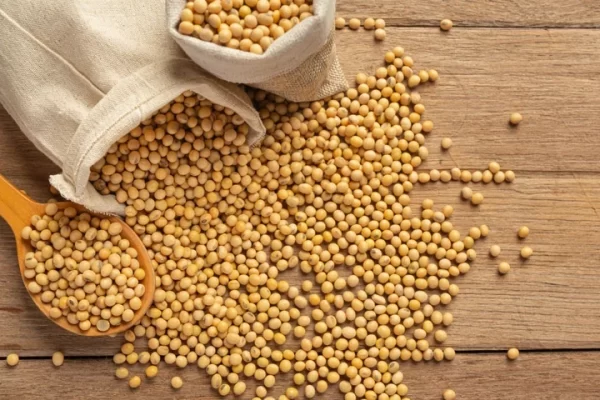
Soy and lupin proteins have truly established themselves as alternatives to animal proteins in the food industry. Used as ingredients in plant-based foods to replace meat and dairy products, these increasingly popular protein isolates are typically by-products of oil extraction from oilseed crops.
Oil crops such as soybeans, rapeseed, sweet lupin, sunflower seeds, and flaxseeds are common raw materials for producing high-quality oils, and their residual press cakes still contain high-quality proteins, such as soy protein or lupin protein. An increasing number of oil mills are beginning to process these press cakes. In addition to plant proteins, the residual fiber—often referred to as “okara” or pulp—can also be dried and processed.
Before protein extraction, the fats or oils contained in the oil-bearing plants are separated. The first step is extraction—a multi-stage process that isolates the plant protein from press cake or from rapeseed, lupin, or soy flour. This is followed by coagulation, where the protein precipitates out of the solution. Depending on specific requirements, additional washing steps can increase the protein content of the precipitate, enabling the production of protein concentrates or even high-purity protein isolates, such as pea protein isolate.
The resulting protein—characterized by maximum purity and excellent functionality—can be fed directly into the spray-drying process. To maximize protein yield, additional non-functional protein can also be recovered via heat precipitation. Where necessary, the remaining fibers are washed, mechanically dewatered using a Flottweg belt press, and finally dried.
High-functionality plant protein
Protein purity of over 90%
Protein yield exceeding 74%
Highly functional plant protein